
Finding Smyrna Resident Records
Start with the parcel record itself. The Cobb County Board of Tax Assessors Property Search takes an owner name, a street address, a parcel ID, or advanced criteria. It is the most direct route to a current owner and the tax mailing address. A renter, a relative, or anyone else in the household will not show up on the parcel card, though. So ownership never lists everyone who lives there.
Names surface in many other places too. Deeds, liens, and court cases carry names. City minutes, permit files, and business or professional records do too. For an earlier decade, historical directories and census schedules fill the gap. The key distinctions stay the same: an owner is not an occupant. And a mailing label does not equal municipal jurisdiction. The parcel map can settle a boundary question. It shows whether a Smyrna postal address actually sits inside the incorporated city.
- Search the Cobb assessor by owner or address and note the parcel ID, legal owner, mailing address, and map link.
- Use the Georgia My Voter Page only as an individual registration check with the required identifying details.
- Run the owner names through the Georgia real-estate index to locate deeds, liens, and transfers.
- For an earlier household, consult Smyrna and Marietta/Smyrna directory volumes, then compare the matching census period.
- If the needed city record is not online, send a narrow Georgia Open Records Act request to the office that created it.
Offices Behind Smyrna Directories
Smyrna City Hall holds the municipal layer. Ordinances, minutes, permits, code matters, municipal-court dispositions, and police reports all sit there. The county carries the longer trail. Its Tax Assessor identifies parcels and current taxpayers, GIS adds mapped context, and the Clerk of Superior Court records real-estate instruments and Superior Court files. Cobb Probate Court handles marriage licenses and estates. The Smyrna street directory walks the address-by-address chain in depth.
Cobb County Recorder / Register of Deeds
Real Estate Division
Marietta, GA
Georgia Elections Division
Individual registration access
Statewide, including Smyrna
Smyrna Versus Postal Smyrna
A mailing address and a city boundary are different things. "Smyrna" on an envelope can mean the municipality, a postal designation, or a database locality. Some Smyrna addresses sit outside the city. Some city parcels share ZIP geography with unincorporated Cobb County. The difference matters. The right records custodian changes with jurisdiction. The wrong guess sends a request to the wrong office. Check the Cobb GIS Property Search before requesting a permit, police, code, or municipal-court record. An official city boundary map works too.
Useful distinction: the assessor answers who owns the parcel; GIS answers where the parcel lies; deeds explain transfers; directories and census records are better evidence of who occupied the address.
Cobb Property Search Fields
The county property tools offer several routes into the same parcel trail. Start broad. Then save the identifiers you find for the next source.
| Starting detail | Best field | What to carry forward |
|---|---|---|
| Street address | House number and street | Parcel ID and owner name |
| Person or entity | Owner-name search | Owned parcels and mailing address |
| Known tax parcel | Parcel-ID search | Map, legal description, and values |
| Nearby property | GIS map selection | Adjacent parcel numbers |
The GIS address form asks for the street alone. Leave out city, state, ZIP, and unit information. That small habit prevents a false "no results" reply. Parcel details, exemptions, sale information, and improvement summaries can separate two similarly named owners, though none of it proves who sleeps at the property today. The Cobb GIS address search shows exactly how the county expects an address to be entered.
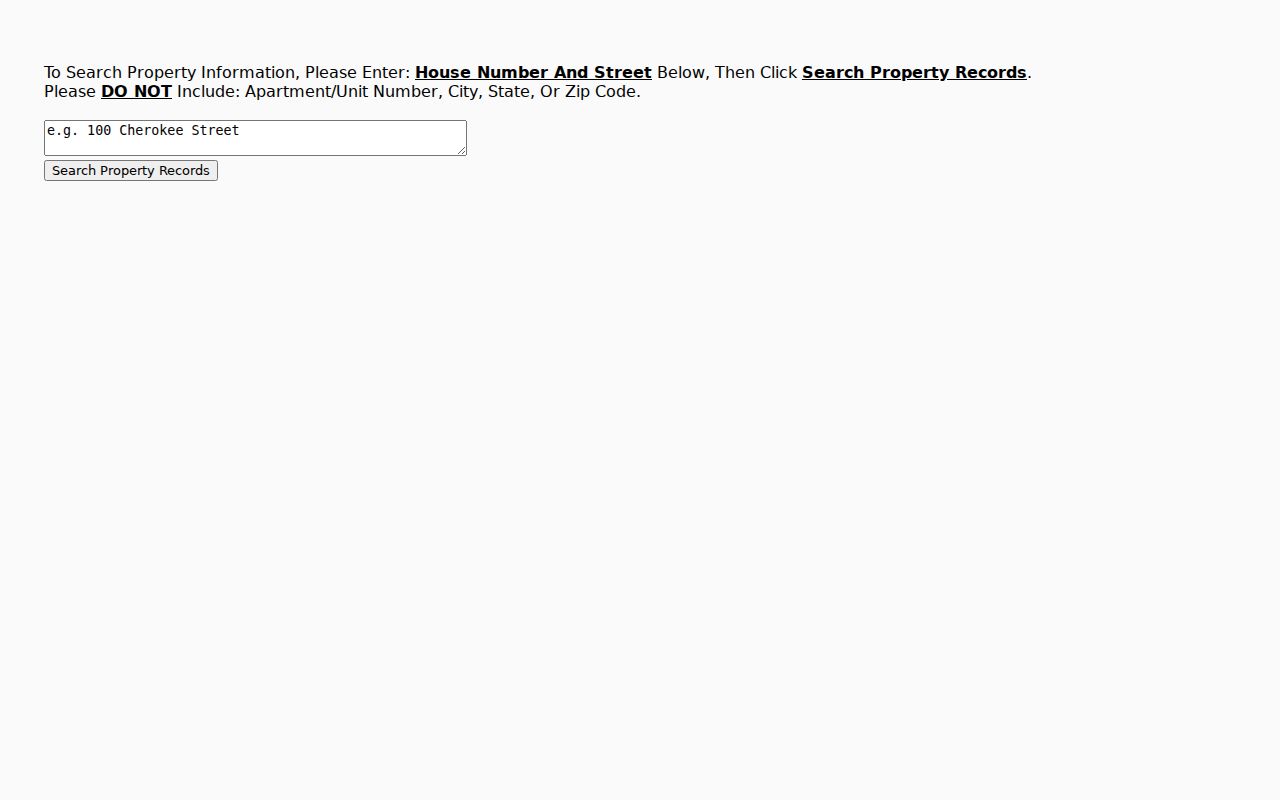
Take the parcel number from the map. It moves you into the assessor and recorded-document trail without leaning on a spelling match.
Current Smyrna Directory Sources
Modern directories are separate official indexes. Each one exists for a different public duty. Coverage overlaps but never forms a master household list, so use the source that naturally records the relationship you need and confirm the result elsewhere.
| Source | Who It Lists | Keeper | Access |
|---|---|---|---|
| Cobb property roll | Owners and tax mailing contacts | Board of Tax Assessors | Free public search |
| My Voter Page | The individual registrant | Georgia Secretary of State | Identifying fields required |
| Real-estate index | Grantors, grantees, lien parties | Superior Court clerks | Index access; images may cost |
| State Court search | Named civil and criminal parties | Cobb State Court | Free search with CAPTCHA |
| City records | Officials, speakers, permit parties | Smyrna City Clerk and departments | Online archives or request |
The property roll is strongest for present ownership. The deed index tracks changes over time, and court records identify a party in a filed case. My Voter Page is a self-lookup only. For one-name verification across sources, follow the Smyrna resident lookup workflow.
Smyrna Deeds Connect Names
Smyrna deeds are county records. The Cobb County Clerk of Superior Court keeps deeds, liens, plats, and related real-estate instruments, and the statewide clerk index searches them by county, document type, party, and date. "Grantor" is the giver. "Grantee" is the receiving party. Following both sides across successive instruments can expose prior owners, name variations, lenders, and the dates when title changed. The Georgia Superior Court Clerks' real-estate search provides the index used for Cobb County.
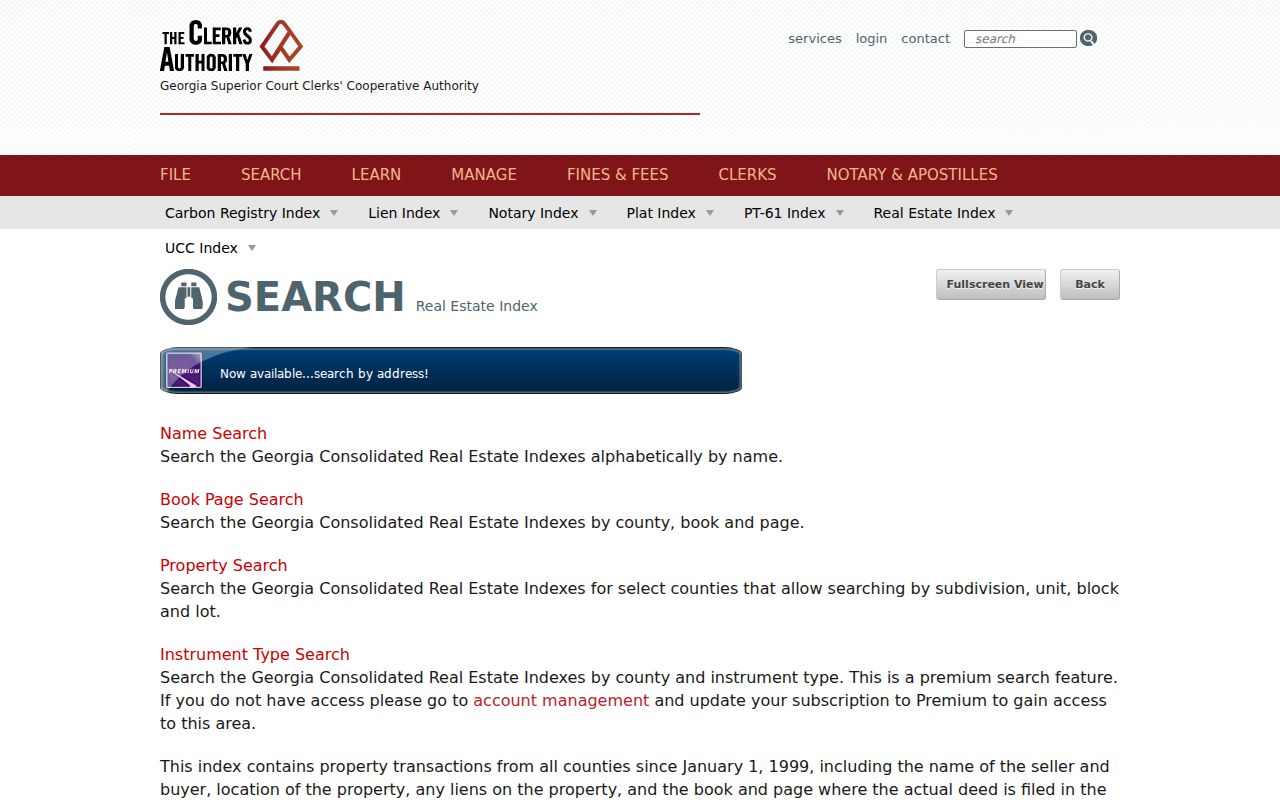
The index names the instrument. Viewing an image may still require an account or payment. Older transactions sometimes never made it online. Confirm coverage dates with the Real Estate Division, and use a counter or copy request whenever the web index runs thin.
Smyrna Court Name Searches
A case index tells you a name matched a court matter. It does not confirm where the person lives now. For Smyrna itself, the Municipal Court handles city police traffic citations. It also takes state-law misdemeanors and ordinance or code citations. Certified dispositions go through the city's JustFOIA route. The court uploads a review copy, then mails the original or holds it for pickup.
Cobb State Court gives researchers a party-name search with more leverage. Fields cover first, middle, and last name. Case type, status, filing dates, case number, and a phonetic option round out the form. The court's own guide warns that results cap at the first 5,000 entries. So narrow dates and case type matter for common surnames. The Cobb State Court search shows the filters in action.
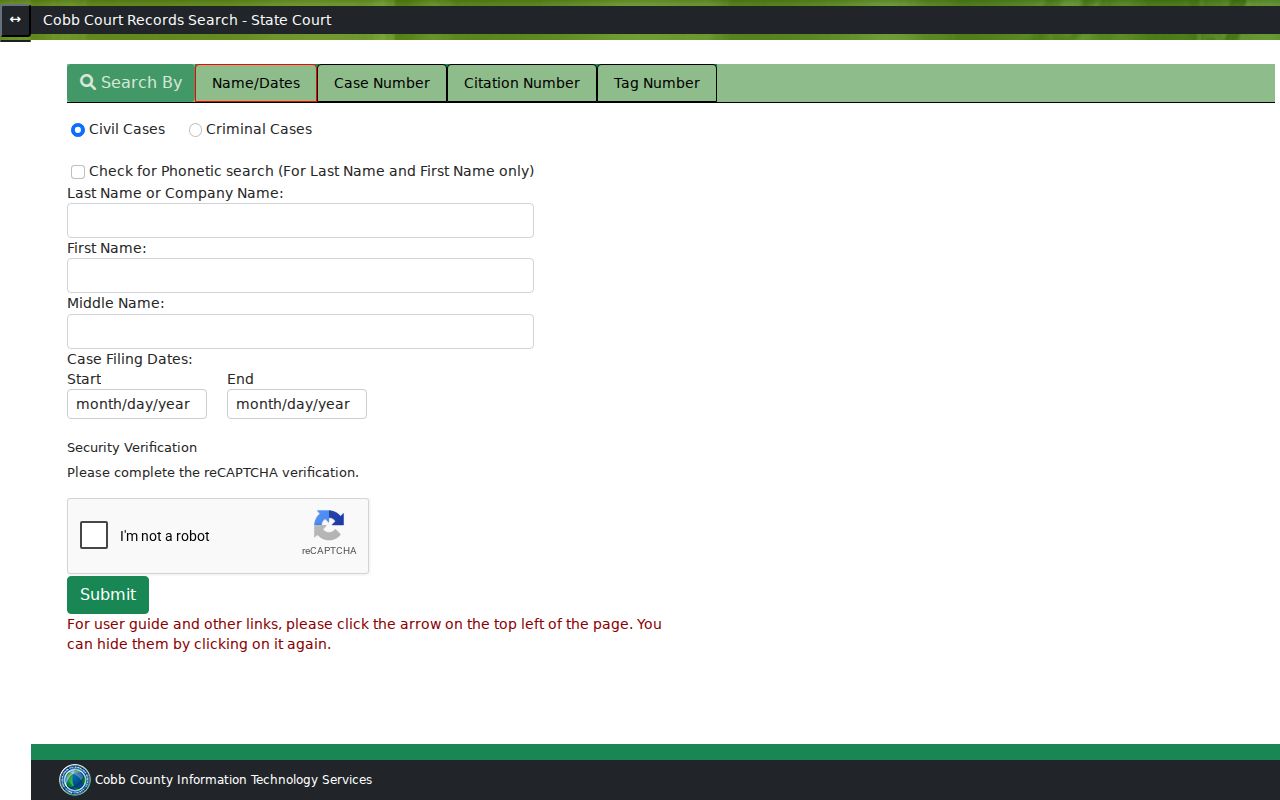
Two broader doors exist beyond the local courts. Georgia's re:SearchGA portal offers statewide trial-court searching after registration, while federal cases run through PACER for the Northern District of Georgia. Document access and fees differ from court to court.
Smyrna Voter Record Boundaries
Georgia voter records carry real detail. A file can list the voter's name, residence or mailing address, precinct, district, and voting participation. Ballot choices stay private. So do Social Security numbers, license numbers, and full birth dates. The public My Voter Page asks for identifying information first, since it exists so a person can verify a registration rather than browse a whole block.
VoteSafe draws a safety line worth knowing. Under O.C.G.A. § 21-2-225.1, voters with qualifying protective orders or shelter residence from family violence can shield the residential address. A missing result therefore proves nothing about registration or a move. Respect protected records. Never turn a residents directory lookup into a tool for watching, threatening, or harassing anyone.
Smyrna Open Records Requests
When a record is not posted anywhere, the Georgia Open Records Act steps in. O.C.G.A. §§ 50-18-70 through 50-18-77 requires an agency to provide access. Otherwise it must send a written response. That response covers availability, exemptions, cost, and timing within three business days. The deadline starts a conversation. It does not guarantee a large production finishes in three days.
Aim the request at the office that created the record. Describe a narrow date range and subject. Ask for electronic copies when practical. City Clerk material, police records, and certified municipal-court dispositions move through Smyrna's designated request channels. Active police cases usually stop at the initial incident report under O.C.G.A. § 50-18-72(a)(4). The Georgia Attorney General's request guide walks through the process.
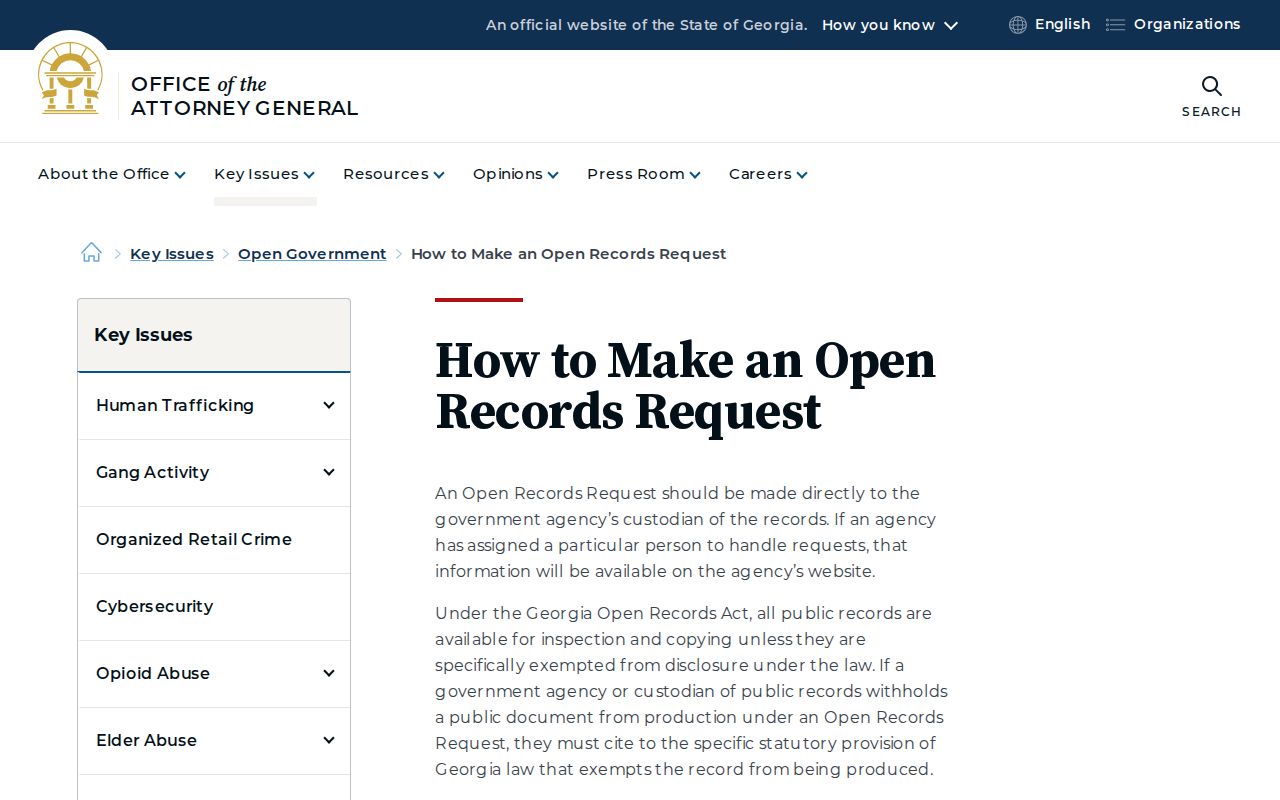
Precision pays off. A tight request lets the custodian locate and price records faster, especially when archived permits, correspondence, or incident files lack a full online index.
Smyrna Permits Name Properties
Building records add an address-linked source whenever a property has been altered. Smyrna moved permit applications online in April 2022 and stopped taking in-person submittals. The Building Division sits at 3180 Atlanta Road SE, reachable at 678-631-5387. Applications can name the owner, applicant, contractor, project address, and type of work. A homeowner pulling a permit must show the property is a permanent residence. It must be held in the homeowner's legal name. That supports an ownership or occupancy timeline. It is still not a household roll.
The Smyrna OpenGov permit portal supports portal-wide search. It routes users to available applications, though an account may be needed to submit. Historic public-search coverage varies by service because of the JavaScript interface. So file a targeted open-records request when an older permit does not surface. Published building-permit charges run off construction cost, with a records fee and technology fee added. So confirm the current amount with the division first.
Permit evidence works best beside the parcel card and deed dates. It can show a named owner authorizing work at a specific address. It can pinpoint when a structure changed. It can also explain a jump in assessor improvement data. Archived plans may even separate additions that the current parcel summary merges. Permits cannot establish every resident. Contractors on a permit are never occupants.
Historical Smyrna Directory Shelves
Upstairs at Smyrna Public Library, the Isanhour Room holds nearly 5,000 genealogy books. More than 1,000 of them are Georgia volumes, joined by local newspapers, directories from roughly the last forty years, and regional county-record collections. Microforms add Georgia marriage records for 1964-1999, the Georgia Death Index for 1919-1999, census records for 1810-1930, the Smyrna Herald for 1955-1966, and the Smyrna Neighbor for 1989-1995.
The Cobb County library's Georgia Room keeps Atlanta, Marietta, and Marietta/Smyrna directory runs. Its digitized volumes include the 1966 Marietta/Smyrna directory, searchable as full text and readable page by page. Entries may list a resident's name, spouse, occupation, employer, and address. Reverse or criss-cross sections flip the logic, turning an address into its occupants and nearby businesses. For exact runs, publishers, abbreviations, and decade-by-decade tracing, the Smyrna city directory guide goes deeper.
Vital Records Have Limits
Georgia vital certificates are not an open residents directory. O.C.G.A. § 31-10-25 limits who may inspect them. Certified birth and death copies go only to eligible requesters. Identification and a completed application are required. The Department of Public Health holds statewide births and deaths. It also holds marriage applications from 1952 through 1996. Beyond that span, Cobb Probate Court handles local marriage licensing. Divorce files sit with Superior Court. The Georgia vital-record request page is the authoritative source for eligibility and ordering methods.
The state reports a $25 fee for the first certified copy. Added copies ordered at the same time are priced separately. Mail, in-person, and approved online channels each carry different processing expectations. Even where the certificate itself stays restricted, historical indexes, obituaries, and genealogical derivatives often remain open. They can still be consulted.